Permits & venues · 5 min read
Porta potties at Nashville venues: permits, placement, and what to ask
Who actually regulates portable restrooms at a Nashville event, what the permit packet usually wants, and the venue questions worth asking before you sign a rental agreement.
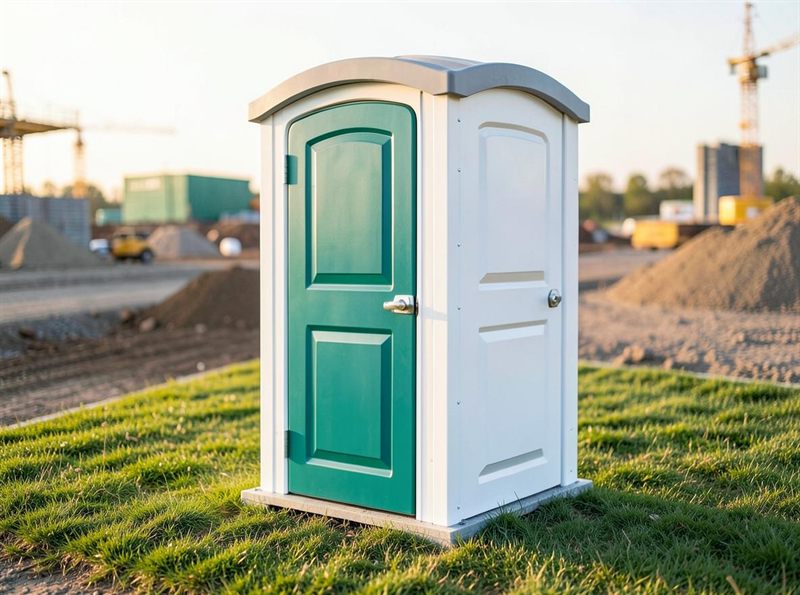
Permit questions are where event planning gets quiet. Nobody is sure who is responsible for what, and the answer often depends on whether your event is on private property, in a Metro park, or on a street that has been closed for the day. This is a general orientation, not legal advice — confirm specifics with Metro Codes and your venue.
Who actually regulates this
For most private-property events in Davidson County, portable restrooms are a vendor arrangement rather than a stand-alone permit. The requirement usually arrives attached to something else: a special-event permit, a temporary use permit, a park reservation, or a health department review for an event serving food.
That is why the question "do I need a permit for a porta potty?" is hard to answer in the abstract. The better question is "what does my venue or my event permit require?" — and the answer is usually a fixture count based on expected attendance.
What the paperwork usually asks for
- A fixture count scaled to expected attendance, sometimes with a minimum ratio written into the form.
- Accessible units, typically one per a set number of fixtures or one per event.
- Handwashing provision wherever food is served or sold.
- A site plan showing where units will sit relative to the tent, the food area, and the property line.
- Vendor information — company name, contact, and sometimes proof of insurance.
We supply the unit specifications, a delivery confirmation, and a certificate of insurance for any event that needs one in the packet. Ask for it at booking; it is faster than asking three days before the event.
Questions to ask your venue before you book units
These five questions prevent almost every delivery-day problem we see:
- Where can a truck and trailer park, and how far is that from where the units should sit?
- Is there a gate, code, or load-in window we have to work inside?
- Does the venue have permanent restrooms, and what headcount are they rated for?
- Is there a preferred or prohibited placement — sightlines, septic fields, irrigation heads?
- Who signs off on the drop spot on the day, and what is their phone number?
The irrigation question sounds fussy until a truck axle sinks into a fairway. Venues know their own soft spots; ask.
Placement rules that come up again and again
Beyond local code, most venue rules reduce to three ideas. Keep units off lawns that cannot take weight. Keep the servicing path clear so a pump truck can reach the unit without crossing your ceremony aisle at 7 a.m. And keep the walk from guest seating obvious without putting units directly in the ceremony backdrop.
A practical layout: place standard units on gravel or pavement behind the catering tent, and put a trailer at the end of hardscape where guests naturally walk. Both stay reachable for service, neither shows up in photographs.
What to have ready when you call
Date, guest count, event hours, venue address, and whether food and alcohol are served. With those five details we can give you a fixture count and a firm quote in one conversation, and flag anything the permit packet will ask for before it becomes a deadline problem.